

Imagination in Place, Week 1

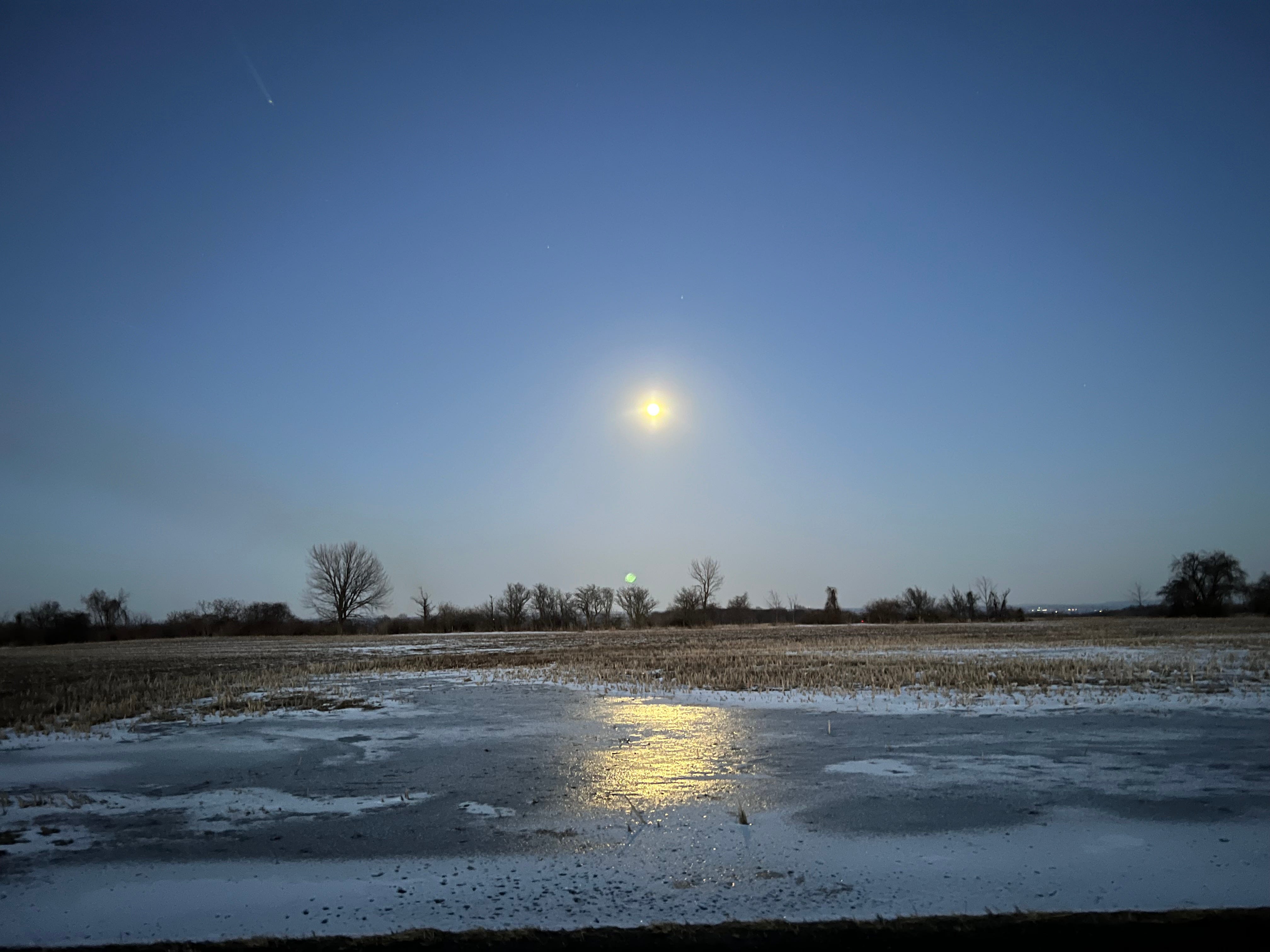
Within the first fifty or so pages of essays in Imagination in Place by Wendell Berry, readers get glimpses of his life growing up in farm country in Kentucky, his education, his writing and farming life. And how his work, his imagination as a writer, is rooted in the place where he lives and springs up from his lived experience with the fields, trees, weather, animals, and people.
Rather than only writing from his own perspective, he shares views and passages from other writers and poets he respects. We read about places they love, about changes and violence committed against the land, waterways, animals, and people for profit’s sake. How if we aren’t rooted and connected to a place, if we don’t get to know the people around us, it is easier to think that the harm done to people doesn’t really matter as much.
Some of the writers that have helped Berry make sense of the world include poet William Carlos Williams, poet Patrick Kavanagh, poet John Haines, Thomas Hardy, William Faulkner, Mark Twain, Shakespeare, Yeats, Dante, Homer, and Milton to name a few.
He has an essay titled “American Imagination and the Civil War” in which he shares his observations as a white Southerner of the harm done to the country in general and Black people in particular from the war and its aftermath of industrial exploitation. This essay, perhaps more than the others, resonated with me because of the current state of affairs in the nation and world.
“And so our Civil War raised questions that have been raised a number of times since: Can you force people to change their hearts and minds? Can you make them good by violence? Again and again human nature has replied no. Again and again, ignoring human nature and history, politicians have answered yes.” (p. 27)
He brings up the disturbing lyrics of “The Battle Hymn of the Republic” which “renders our ordeal of civil war into a truly terrifying simplemindedness, in which we can still identify Christ with military power and conflate ‘the American way of life’ with the will of God”. (p.28)
Does any of this sound familiar?
Moving on, Berry writes of his respect and admiration for the late Wallace Stegner, writer, novelist, and environmental activist, as well as his time as Stegner’s writing student. Berry praises his character as a generous person, full of integrity, of inner strength; he praises Stegner as “a writer who knew how to write”, who wrote with directness and clarity, with “his competent knowledge of history and geography, and his close attention to his own experience.” (p.46)
If you’ve never read Wendell Berry before, I highly recommend the book we’re currently reading as well as any of his other essay collections, poetry, and novels. He writes with cantankerous honesty about living simply, connected to the land and people in one’s own community. He is against what most people call “progress”, which is often extractive and destructive and results in harm to people and place. He’s an environmentalist and conservationist, caring for his own farm and speaking up for vulnerable places.
Every time I read something by Wendell Berry, I am called to live with more integrity, honesty, simplicity. To get clearer and more intentional about my day to day life. He’s a prophet for these times, perhaps not saying things we’d like to hear, but what we need to hear.
March’s Book Club Schedule:
March 8-14: Imagination in Place, pages 55-101
March 15-21: Imagination in Place, pages 103-140
March 22-28: Imagination in Place, pages 141-191
Looking ahead:
April’s Book Club Read: Earth’s Wild Music: Celebrating and Defending the Songs of the Natural World by Kathleen Dean Moore
May’s Book Club Read: A Wilder Way: How Gardens Grow Us by Poppy Okotcha